
1 min read
AI in grocery can quickly become a conversation about technology. Forecasting models. Data. Integrations. Algorithms. But for fresh departments, the real value of AI is much simpler: Does it help the team run the department better every day?
That starts with ordering, but it doesn't end there.
Better Ordering Is the Foundation
Produce teams make complex decisions every day. They have to account for sales trends, seasonality, promotions, weather, inventory levels, and changing customer demand, often while managing dozens of other responsibilities throughout the department. Traditionally, much of that decision-making has depended on experience and manual processes. AI changes what's possible. By bringing those variables together, AI-powered forecasting can help teams determine what to order, how much to order, and when to order it. The goal isn't simply a faster order. It's a better outcome. Less shrink. Fewer stockouts. More confidence in every decision.
But Ordering Is Only One Piece
A fresh department doesn't operate in isolation, and neither should its technology.
Ordering decisions affect inventory. Promotions affect demand. Pricing influences movement. Voids can reveal assortment opportunities. Financial reporting tells operators whether all of those decisions are actually producing results. When these functions live in disconnected systems, managers are left putting the pieces together themselves. A connected AI stack changes that.
Bringing forecasting, pricing, promotional planning, void reporting, financial reporting, and period-end inventory together gives retailers a more complete view of what's happening in the department. Instead of simply having more data, teams have information they can act on.
What Does Success Look Like?
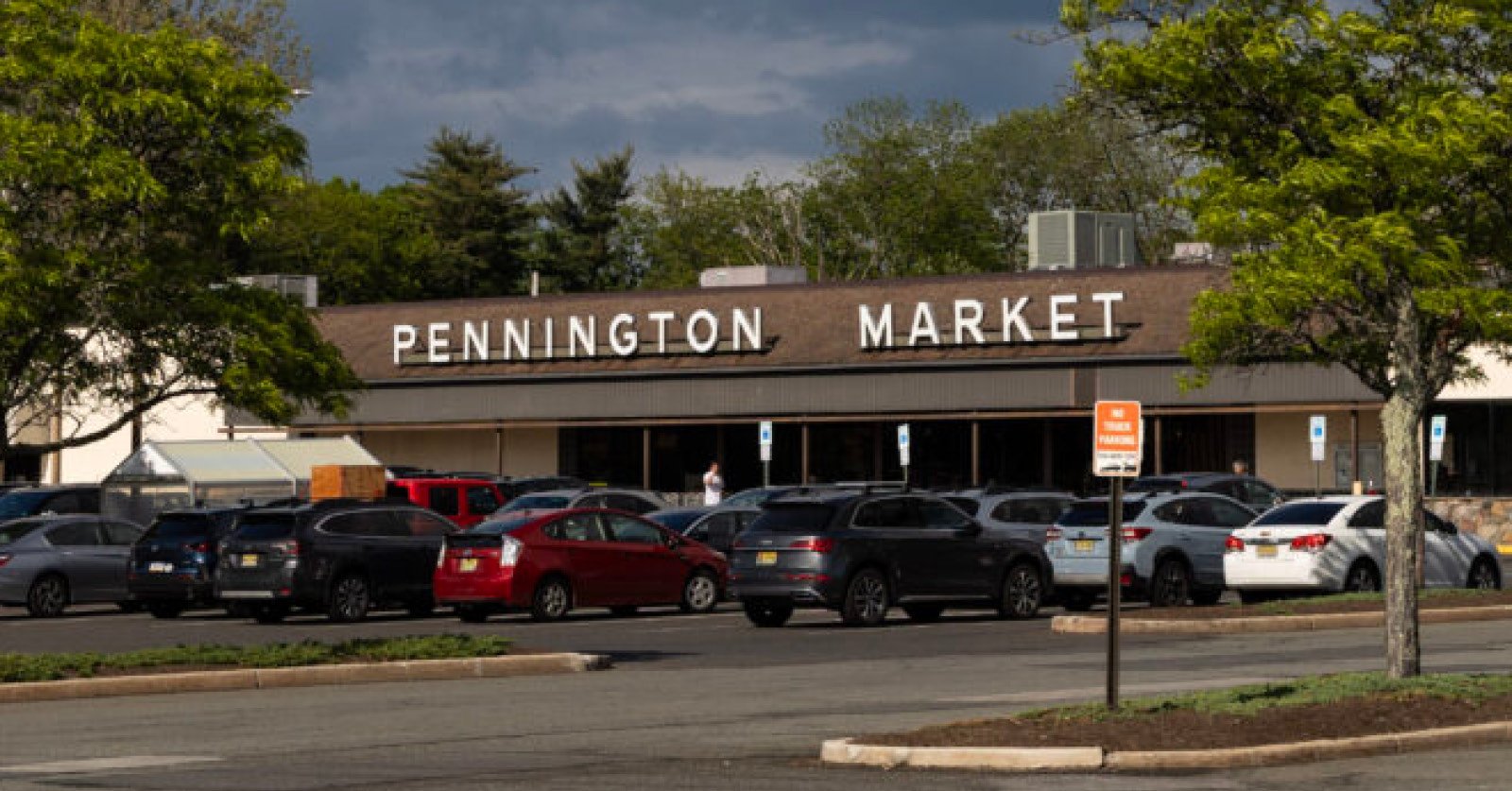
It doesn't always look dramatic. Sometimes it looks like a department that simply finds its rhythm. That's what we're seeing at McCaffrey's Pennington Market.
After the excitement of opening a new location, the real measure of success comes in the weeks that follow. Produce is moving, the team is focused, and daily operations are becoming consistent. That's what technology should ultimately support.
Not technology for technology's sake. Steady execution. Better decisions. Consistent results.
Technology Should Make Fresh Easier to Run
Independent grocers don't need another system that creates more work for their teams. They need technology that connects the information they already have and helps experienced operators make better decisions with it. AI-powered ordering may be the starting point, but the bigger opportunity is creating a more connected fresh operation where teams have the visibility and confidence to act.
Because the future of fresh isn't about having more technology.
It's about having technology that makes the entire department work better.